
Business Visa Vietnam Guide: Requirements & Application Process
Latest update: Mar 2nd, 2026
Table of Contents
When considering expanding business interests or establishing a significant presence in Southeast Asia, Vietnam stands out as a lucrative destination. The country boasts rapid economic growth, an emerging market, and increasing foreign investment opportunities. For entrepreneurs, corporate executives, and investors, obtaining a business visa Vietnam is an essential step to legally enter the country for any business-related activities. This comprehensive guide aims to elucidate the requirements and the application process for a business visa Vietnam, ensuring clarity and preparedness for those looking to navigate Vietnam’s visa system efficiently.
Understanding the Business Visa Vietnam
A business visa Vietnam is a legal authorization that permits foreign nationals to enter Vietnam for business purposes. Unlike tourist visas, which primarily focus on leisure activities, business visas are intended for activities such as attending meetings, negotiating deals, participating in conferences, or establishing a business presence in the country.
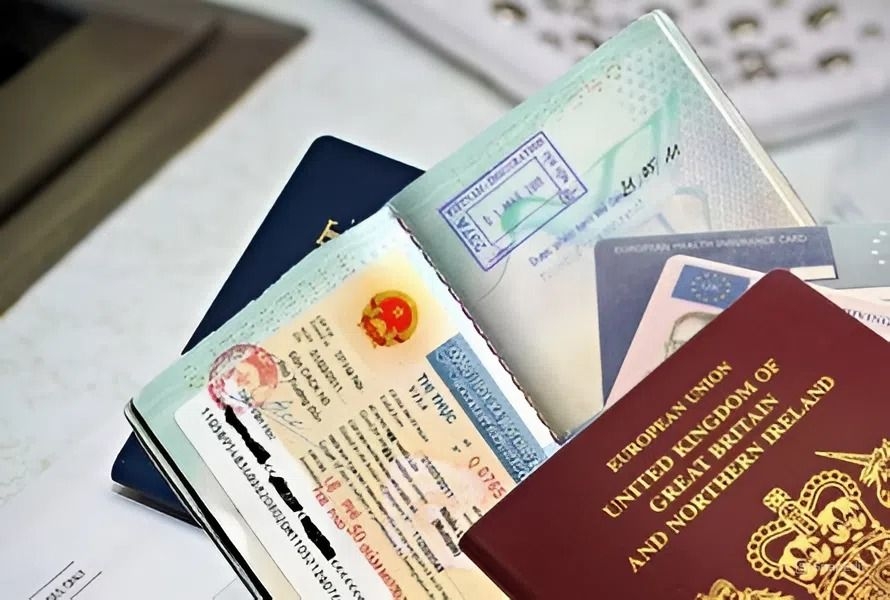
Before proceeding with a business visa application, it is crucial to understand the different types of visas available, the purposes they cover, and the legal implications. Vietnam’s visa policies are designed to streamline the entry process for business travelers, but they also require precise documentation and adherence to specific regulations. Being well-informed can prepare applicants to minimize delays and avoid common pitfalls during the application process.
In essence, the business visa Vietnam symbolizes a bridge for entrepreneurs and corporate professionals seeking to leverage Vietnam’s burgeoning market. It is a vital document that reflects the country’s openness to foreign investments while ensuring compliance with local immigration laws. Understanding its scope and limitations provides a solid foundation for successful entry into Vietnam for business purposes.
Essential Requirements for a Business Visa Vietnam
Securing a business visa Vietnam demands a thorough preparation of necessary documents and fulfilling specific criteria mandated by Vietnam’s immigration authorities. Meeting these requirements not only facilitates a smooth application process but also demonstrates the applicant's legitimacy and intent to abide by local laws.
Vietnam’s visa regulations stipulate that applicants must provide a valid passport, proof of business activities, invitation letters, and other supporting documents. These requirements aim to verify the applicant's identity and purpose of visit while ensuring that the intent aligns with legal standards for conducting business in Vietnam. Moreover, understanding variations based on the applicant's country of residence and the type of visa being sought can significantly impact the process.
Being meticulous in preparing the necessary documentation can save applicants from frustrating delays or rejections. While some requirements are fairly standard, others may vary based on bilateral agreements or updated immigration policies. This section offers a detailed insight into each critical requirement, emphasizing the importance of accuracy and completeness.
Valid Passport with Adequate Validity
A valid passport is the foundational requirement for any visa application, including the business visa Vietnam. The passport must be valid for at least six months beyond the intended stay in Vietnam to guarantee sufficient validity period for processing and travel. Ensuring the passport has ample blank pages is equally important since visa stickers and entry stamps require space.
Applying with a passport nearing expiration can jeopardize the application process. Immigration officers and consular officials scrutinize passport validity to prevent travelers from overstaying or encountering legal issues during their stay. It also portrays a traveler’s preparedness and compliance with travel documentation norms. Therefore, applicants should verify their passports thoroughly before initiating the visa process.
Beyond the basic validity, some applicants might also consider renewing their passports proactively, especially if they foresee an extended business engagement or future visits. This foresight reduces the risk of unanticipated complications, especially since visa processing times can vary and sometimes require additional documentation. A valid, up-to-date passport is a reflection of responsible travel planning, which is highly regarded by immigration authorities.
Invitation Letter from Vietnamese Business Partner or Company
A pivotal element in the business visa Vietnam application is an official invitation letter issued by the Vietnamese company, partner, or organization inviting the applicant for business purposes. This document must clearly specify the nature of the visit, the duration, and the relationship between the applicant and the host entity.
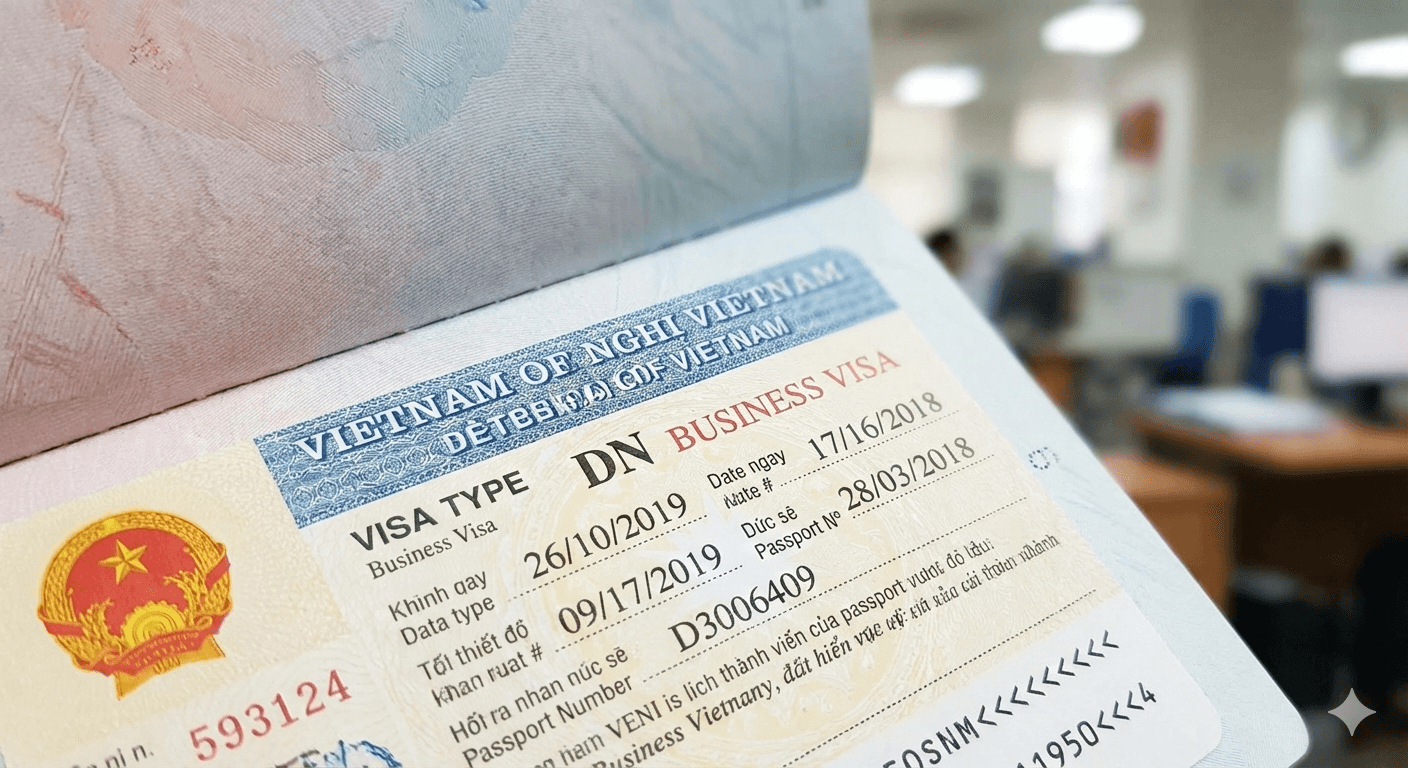
The invitation letter not only verifies the applicant’s purpose but also demonstrates an existing legitimate business relationship. It establishes trust and helps immigration authorities ascertain that the visit is indeed for business intentions, not tourism or other unrelated activities. The letter should be printed on company letterhead, signed by an authorized representative, and sometimes sealed with a company stamp.
In more complex cases, especially involving high-level executives or long-term engagements, additional documents such as company registration certificates or trade licenses might be required to complement the invitation letter. Emphasizing the significance of this document underscores the importance of transparency and official oversight in the visa process.
Proof of Financial Means and Business Registration Documents
To justify the purpose and sustainability of the visit, applicants are often required to submit proof of sufficient financial resources. Bank statements, income proof, or sponsorship letters can demonstrate that the visitor can support themselves and cover their expenses during their stay.
Furthermore, for those intending to set up or operate a business in Vietnam, submitting copies of business registration certificates or proof of ongoing commercial activities enhances credibility. These documents validate the applicant’s legitimate standing and intent to conduct lawful business activities within Vietnam’s jurisdiction.
The combination of financial evidence and business credentials portrays a complete picture of the applicant's readiness for their planned activities. It reassures authorities that the visitor is financially responsible and holds a legitimate connection to Vietnam's business environment. Meticulous presentation of these documents can significantly influence approval chances while reflecting serious intent.
The Visa Application Process for Business Visa Vietnam
Embarking on the business visa Vietnam application journey involves understanding the procedural steps, recognizing the differences between application methods, and preparing for possible interview or processing requirements. Vietnam’s system, while streamlined, demands attention to detail and compliance with official procedures.
Applying for a business visa typically involves submitting relevant documents either through Vietnamese embassies or consulates abroad or via authorized visa agencies. Some applicants may also use online pre-approval services or work through their business partners to facilitate the process. Knowing the steps, timelines, and requirements enables applicants to plan effectively.
The process involves multiple stages, from collecting necessary documents, filling out forms, paying fees, to awaiting approval. Being aware of these stages reduces confusion and ensures a seamless experience. This section explores each phase comprehensively, highlighting tips to navigate the system efficiently.
Application Submission: In-Person, Mail, or Online
Vietnam offers multiple avenues for business visa applications, accommodating diverse applicants' preferences. The most traditional method involves submitting the application in person at Vietnamese embassies or consulates, which allows direct interaction and immediate clarification of queries.
Alternatively, mailing application packets can be convenient for applicants residing far from diplomatic missions, provided they adhere to specific mailing procedures and include all required documents. Some countries also have authorized visa agencies or service centers that facilitate submissions, often providing expedited processing, which is advantageous for tight schedules.
A growing trend is the online pre-approval procedure, where applicants submit their documents and get an official approval letter via email. Once received, the applicant can proceed to pay the visa stamping fee at arrival or at an embassy. This method reduces processing time and simplifies the overall process. However, verifying the authenticity and reliability of online services is crucial to avoid scams or delays.
Visa Processing Times and Fees
Processing times for the business visa Vietnam can vary depending on the application method, embassy location, and current demand. Traditional processing at embassies or consular offices might take several working days to weeks, especially during peak seasons. Online pre-approvals often provide quicker turnaround times, sometimes within a few days, but still require careful planning.
Visa fees generally depend on the visa type, duration, and processing speed. Longer stays or multiple entries typically incur higher costs. Additionally, expedited services, while convenient, add to the expense. Understanding the fee structure upfront prevents unexpected expenditures and enables better budget planning.
A key tip for applicants is to apply well in advance, especially if they require multiple entries or extended durations. Rushing the application increases the likelihood of errors or omissions, which could delay approval or lead to visa rejection. Proper timing and budget considerations are fundamental for a stress-free process.
Approval, Entry, and Visa Stamping Procedures
Once the business visa Vietnam is approved, the applicant receives an official approval letter, which is generally necessary at the point of entry. Travelers must present this document along with their passport for visa stamping at the port of entry or an embassy, depending on the application method.
At the port of entry, Vietnamese immigration authorities will affix a visa stamp or sticker in the passport, officially allowing entry. Sometimes, the applicant needs to pay a stamping fee if not paid in advance during the application process. It is essential to hold all relevant documents readily accessible to facilitate a smooth inspection.
Upon entering Vietnam, travelers should verify that the visa details are correct, including duration, visa type, and number of entries. Errors should be reported immediately to the immigration officers. It’s advisable to keep copies of all visa-related documents during your stay, as they can be useful for extensions or additional legal procedures.
Extending and Renewing Business Visas in Vietnam
A common consideration among foreigners intending ongoing business activities is how to extend or renew their business visa Vietnam beyond its initial period. The process, requirements, and legal obligations for extensions are important for maintaining legal status and uninterrupted business operations.
Vietnam’s immigration system offers provisions for visa extensions, but these are subject to strict eligibility criteria. Typically, applicants must provide valid reasons, proof of ongoing business activities, and demonstrate compliance with existing regulations. Extensions are generally granted in increments, requiring periodic renewal efforts.
The renewal process involves submitting additional documentation, like updated invitation letters, proof of continued business activities, and financial statements. It’s crucial to start renewal procedures well before the current visa’s expiration to avoid overstaying penalties or legal issues. Consulting with legal or immigration professionals can streamline this process, especially for complex cases.
Advocating proactive renewal practices not only prevents legal complications but also affirms your commitment to compliance. Understanding the specific procedures, documentation, and timelines allows expatriates and business travelers to plan their stay effectively. Maintaining proper legal status is vital for seamless operations and peace of mind in Vietnam’s dynamic business environment.
Conclusion
Navigating the business visa Vietnam landscape requires thorough understanding of the legal requirements, meticulous documentation, and strategic planning. From verifying passport validity and assembling invitation letters to choosing the right application methods and managing processing timelines, each step is vital for a successful visa acquisition. Vietnam’s welcoming attitude toward foreign investors makes obtaining a business visa a worthwhile pursuit, provided applicants adhere to procedures while demonstrating genuine intent and compliance. By staying informed and prepared, professionals can confidently embark on their Vietnamese business ventures, unlocking opportunities in one of Southeast Asia’s most promising markets.
- Categories:
- Blog

STANLEY HO
Over the past 23 years in the travel service industry, the growth and success of TRANSOCEAN have stemmed not only from the dedication of our well-trained, enthusiastic, and customer-oriented staff, but also from the exceptional leadership of our Founder and CEO, Mr. STANLEY HO. With more than 20 years of experience in the travel and tourism sector, Mr. STANLEY HO possesses profound knowledge of the market, customer behavior, and modern travel trends. His strategic vision has guided the company toward sustainable growth while maintaining a strong commitment to service quality.