
Exploring the Essentials of Vietnam Visa For Poland Travelers
Latest update: Nov 27th, 2024
Table of Contents
Traveling to Vietnam is a dream for many, especially for those from Poland. As you embark on this exciting journey, understanding the Vietnam Visa For Poland becomes essential. With stunning landscapes, rich history, and vibrant culture, Vietnam offers a plethora of experiences for Polish travelers. This article serves as your comprehensive guide to navigating the visa process, ensuring that your adventure in Vietnam unfolds smoothly right from the start.
Understanding Visa Requirements for Polish Citizens
Before diving into the application process, it’s crucial to understand the specific visa requirements for Polish citizens traveling to Vietnam. This section will break down the types of visas available and outline what documentation you'll need.
Types of Visas Available for Vietnam
When planning your trip, it’s important to know that Vietnam offers various visa types catering to different purposes of travel.
For tourists, the most common option is the tourist visa, which typically allows stays of up to 30 days. This visa can be either single-entry or multiple-entry, depending on your travel plans. The single-entry visa is ideal if you are only visiting Vietnam, while a multiple-entry visa is useful for those intending to travel to neighboring countries during their stay.
Another option is the business visa, aimed at travelers who plan to engage in business activities. This visa also comes in both single and multiple-entry forms, with varying durations ranging from one month to an entire year, depending on the nature of your visit.
Lastly, there are student and work visas available for individuals looking to study or work in Vietnam long-term. Each type requires specific documentation tailored to its purpose.
Required Documentation for Applying for a Visa
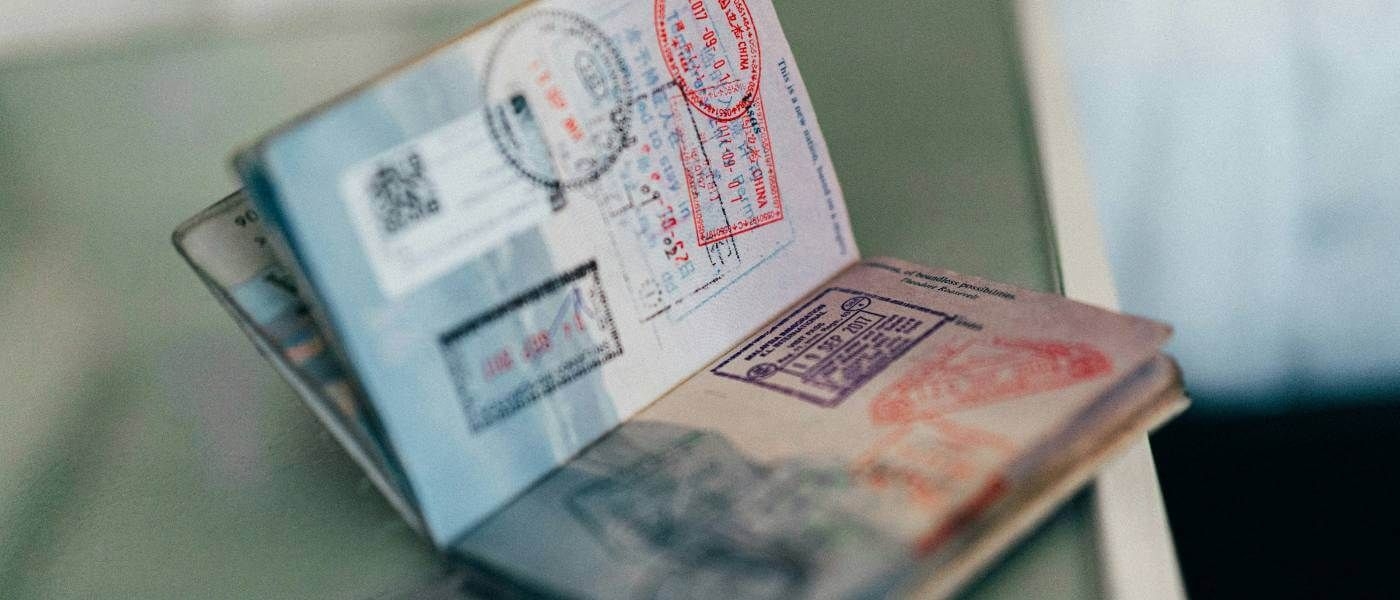
Applying for a visa can seem daunting, but having the right documents on hand simplifies the process significantly.
For a tourist visa, you typically need a valid passport with at least six months of validity remaining, recent passport-sized photographs, and a completed visa application form. It’s also wise to prepare a copy of your flight itinerary and hotel bookings, which may be requested during the application process.
If applying for a business visa, additional documentation such as an invitation letter from a Vietnamese company and proof of business registration may be required. Student visas necessitate admission letters from educational institutions along with evidence of financial support.
Having all necessary documents prepared beforehand not only eases your stress but also ensures a smoother application process.
Where to Apply for Your Vietnam Visa
Polish citizens have several options for applying for their Vietnam visa. You can choose between applying online, via the embassy, or through a travel agency.
The online visa application system, often referred to as e-visa, is particularly popular due to its simplicity and speed. Most applicants find that they receive their visa approval notification within a few working days, making it a convenient choice for last-minute travelers.
Alternatively, you can apply directly through the Vietnamese Embassy or Consulate in Poland. This method may take longer but provides the opportunity for face-to-face inquiries about any questions you might have regarding the visa process.
Travel agencies are another viable option, especially if you prefer assistance throughout the procedure. They usually handle all the paperwork and communication with the relevant authorities, allowing you to focus on your travel plans.
The Application Process for Vietnam Visa
Once you have determined the type of visa you need, the next step is to delve into the actual application process. This section will guide you through each stage, ensuring you understand what to expect.
Step-by-Step Guide to Applying for a Visa
The first step in applying for your Vietnam visa involves filling out the appropriate application form. Make sure to provide accurate and complete information, as any discrepancies may lead to delays.
After completing the form, gather all required documents and submit them either online or at the embassy/consulate. If applying online, you will usually need to pay an application fee directly on the website. In-person applications might require payment by bank transfer or cash, depending on the embassy’s regulations.
Once submitted, keep track of your application status, especially if you applied online. The processing time varies, so it’s good to remain proactive and check back regularly.
Common Mistakes to Avoid During Application
Many travelers unknowingly make mistakes that complicate their visa applications. One of the most common pitfalls is submitting incomplete forms or documents. Always double-check to ensure everything is filled out correctly and confirm that you’ve included all necessary paperwork.
Another frequent error is misplacing vital documents like your passport or photos. Consider organizing your documents in a folder specifically for your visa application, making it easier to keep track of everything.
Additionally, be mindful of the expiration dates on your passport. Ensure you have ample validity remaining before your intended travel date, as an expired passport will result in visa denial.
Tips for a Successful Visa Application
To enhance your chances of a successful visa application, consider utilizing these helpful tips.
First, start the application process as early as possible. Doing so not only alleviates stress but also provides ample time to address any unexpected issues that may arise during processing.
Next, maintain open lines of communication with the consulate or embassy if you pursue that route. Should you have any queries regarding your application or supporting documents, don’t hesitate to reach out.
Lastly, keep a positive attitude. Although obtaining a visa can be a tedious task, maintaining optimism will help you navigate the process with greater ease and confidence.
What to Expect Upon Arrival in Vietnam
Securing your Vietnam visa is just the beginning; knowing what to anticipate upon arrival will enrich your overall experience.
Immigration Procedures at Vietnam Airports
Upon landing in Vietnam, you’ll need to proceed through immigration. It’s advisable to have your visa paperwork readily accessible, including your visa approval letter if applicable. If you opted for an e-visa, print a copy and present it alongside your passport.
Be prepared to fill out an entry form, which is often provided on the flight. This form collects basic information, including your purpose of visit and places of accommodation.
You might encounter long queues, particularly during peak travel seasons. Patience is key, as the immigration officers will thoroughly review your documents before granting you entry.
Cultural Etiquette Upon Arrival
Vietnam boasts a rich cultural heritage, and being aware of local customs can greatly improve your interactions with locals.
For instance, showing respect towards elders is deeply ingrained in Vietnamese culture. When meeting someone older, it is polite to greet them first and use proper titles when addressing them.
Furthermore, it’s customary to remove your shoes before entering someone’s home. Familiarizing yourself with culturally sensitive practices fosters goodwill and enhances your travel experience.
Local Transportation Options
Navigating Vietnam's cities can be an adventure in itself. Upon arriving, you'll find various transportation options available, including taxis, buses, and motorbike rentals.
Taxis are a convenient choice for newcomers, particularly when navigating busy urban areas like Ho Chi Minh City or Hanoi. Look for reputable taxi companies to avoid scams.
Alternatively, motorbike rentals offer a unique way to explore the country at your own pace. However, be cautious, as traffic can be chaotic. Ensure you’re equipped with a valid driver’s license and familiarize yourself with local driving norms.
FAQs About Vietnam Visa For Poland Travelers
Navigating the visa process can raise numerous questions. Below are some frequently asked questions (FAQs) that might help clarify common concerns Polish travelers have regarding the Vietnam visa.
How long does it take to process a Vietnam visa?
Processing times vary based on the method of application. Online applications usually take around three working days, while embassy applications can take five to seven days or longer, depending on the circumstances.
Can I extend my visa once I'm in Vietnam?
Yes, it is possible to extend your visa while in Vietnam. Contact the Immigration Department or a local travel agency for assistance with the extension process, but remember that not all visa types are eligible for extension.
Is it safe to travel to Vietnam?
Overall, Vietnam is considered a safe destination for travelers. However, as in any country, it’s wise to take precautions—keep your belongings secure, avoid poorly lit areas at night, and stay aware of your surroundings.
Do I need vaccinations before traveling to Vietnam?
While vaccinations are not mandatory, certain immunizations are recommended, such as hepatitis A, hepatitis B, and typhoid. Consult with your healthcare provider well in advance of your trip to discuss suitable vaccinations based on your health and travel plans.
Can I enter Vietnam without a visa?
Polish citizens generally require a visa to enter Vietnam. However, there are exceptions for certain passport holders or short visits for specific purposes. Always verify current regulations before travel.
Important:
Due to the nature of continuous updates, the information in this article may change over time. To get the latest and most accurate information, please contact us for specific advice.
Contact US:
- Apply Now: www.visavietnamonline.org/apply-vietnam-visa
- Phone: (+84)968 18 77 18
- WhatsApp: (+84)968 18 77 18
- Email: [email protected]
- Categories:
- Blog

STANLEY HO
Over the past 23 years in the travel service industry, the growth and success of TRANSOCEAN have stemmed not only from the dedication of our well-trained, enthusiastic, and customer-oriented staff, but also from the exceptional leadership of our Founder and CEO, Mr. STANLEY HO. With more than 20 years of experience in the travel and tourism sector, Mr. STANLEY HO possesses profound knowledge of the market, customer behavior, and modern travel trends. His strategic vision has guided the company toward sustainable growth while maintaining a strong commitment to service quality.