
How to get Vietnam Visa from Thailand?
Latest update: Nov 27th, 2024
Table of Contents
If you're planning a trip to the beautiful landscapes and rich culture of Vietnam, understanding the Vietnam visa from Thailand is essential. As a Thai citizen, whether you're traveling for leisure or business, obtaining a visa is a vital step in ensuring your travels go smoothly. This guide will equip you with all the necessary information and tips you need for a hassle-free visa application process.
Who Needs a Vietnam Visa from Thailand?
Traveling abroad often requires adequate preparation, and understanding the visa requirements is crucial. For Thai citizens, entering Vietnam necessitates securing a visa, regardless of the purpose – be it tourism, work, or long-term residence. This section delves into the specifics of who needs a visa and the various types available.
Tourist vs. Business Visas
When considering a Vietnam visa from Thailand, it’s important to differentiate between tourist and business visas. Each type caters to distinct purposes:
Tourist Visas: Primarily aimed at individuals visiting Vietnam for sightseeing, recreational activities, or short family visits. The typical tourist visa permits stay lengths that range from a few days to a month.
Business Visas: These are tailored for those traveling for work-related reasons. Business visas can often allow multiple entries and longer stays, ideal for professionals needing to conduct meetings, conferences, or training sessions.
Understanding these distinctions before applying can save time and ensure you select the correct type of visa according to your travel plans.
Short-Term vs. Long-Term Visas
Another critical distinction involves the duration of the visa. Short-term visas are generally valid for stays up to 30 days, whereas long-term options may extend for several months. Choosing the right duration is important based on your itinerary:
If you're planning a brief vacation, a short-term tourist visa would suffice.
However, for extended business engagements or if you plan to explore Vietnam extensively, opting for a longer visa could be beneficial.
Visa Exemptions and Special Cases
Certain special cases might exempt travelers from needing a visa, such as diplomatic passports or specific agreements between countries. However, for most Thai citizens, a visa remains a prerequisite for entry into Vietnam.
Before embarking on your journey, one should always verify current regulations since immigration policies can change frequently.
How to Apply for a Vietnam Visa from Thailand?
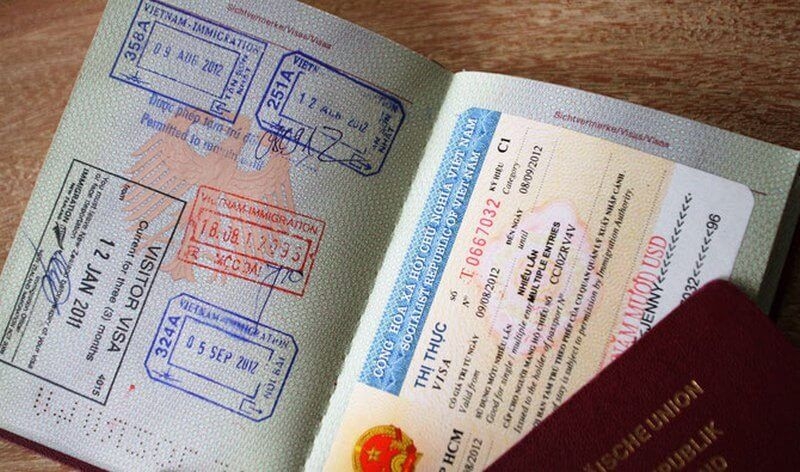
Having determined that you need a visa, the next logical step is understanding how to apply for one. There are two main methods to obtain a Vietnam visa from Thailand: through the Vietnamese embassy or online via the e-visa system. Each method has its advantages and nuances.
Applying Through the Vietnamese Embassy
Applying for a visa at the Vietnamese embassy in Bangkok is a traditional approach that many opt for. Here’s a step-by-step walkthrough:
Gather Required Documents: Essential documents typically include your passport, recent passport-sized photographs, and a completed visa application form. It’s prudent to double-check the embassy’s website or contact them for any specific requirements that might pertain to your situation.
Submit Your Application: After compiling the needed documents, visit the embassy to submit your application. Be prepared to pay the visa fee, which can vary depending on the type of visa you're requesting.
Processing Time: Generally, processing takes between three to five business days. However, always account for unforeseen delays, especially during peak seasons. Consider reaching out to the embassy for updates on your application status if necessary.
This conventional route is advantageous for those who prefer face-to-face interactions and have questions about their visa requirements.
Utilizing the Vietnam E-Visa System
For those looking for convenience, applying online through the Vietnam e-visa system presents an efficient alternative. Here’s how it works:
Visit the E-Visa Website: Start by navigating to the official Vietnam e-visa website. Carefully read through the instructions to fully understand the application process.
Fill Out the Application Form: The online form requires personal details, travel information, and passport information. Ensure each detail is accurately filled to avoid unnecessary complications.
Payment Process: Once the form is complete, proceed to make the payment online using a credit or debit card. Make sure you keep a record of the payment confirmation for future reference.
Wait for Processing: The e-visa processing period usually takes around three business days. You will receive an email notification once your visa is approved, allowing you to print it out before your journey.
This method is particularly popular among tech-savvy travelers or those who prefer to manage applications from the comfort of their homes.
Pros and Cons of Each Method
While both methods of application have their perks, they also come with potential drawbacks.
Embassy Applications:
Pros: Personal assistance, direct communication, and clarity regarding any concerns.
Cons: Requires physical travel to the embassy and potentially longer wait times.
E-Visa Applications:
Pros: More convenient, quick processing, and can be done from anywhere.
Cons: May lack direct support for complex inquiries, and technical issues could arise while completing the application.
Assessing these factors will help you choose the best option that aligns with your preferences and circumstances.
Alternatives to Obtaining a Vietnam Visa from Thailand
If the prospect of applying for a visa seems daunting, there are alternative routes worth considering. Whether due to convenience or specific travel plans, these alternatives may suit various travelers' needs.
Vietnam E-Visa: A Convenient Solution
As previously mentioned, the Vietnam e-visa provides a straightforward way to obtain a visa without physically attending an embassy. Its advantages cannot be overstated:
Speed and Efficiency: Unlike traditional visa applications that may be bogged down by paperwork, the e-visa system allows instant submission and quicker turnaround times.
Accessibility: Travelers can apply from any digital device—whether at home or on the move—making it accessible for everyone.
Visa on Arrival Options
For those arriving in Vietnam by air, the visa on arrival option can be another flexible choice. Here’s what you need to know:
Eligibility Requirements: To utilize this option, you must first secure an approval letter from a travel agency. This letter serves as permission to apply for a visa upon arrival at one of Vietnam’s international airports.
Convenience Factor: This method is particularly appealing for last-minute travelers or those preferring not to navigate the visa application process beforehand.
Limitations: However, this option only applies for air travel, so it's essential to consider your mode of entry when deciding if this method is suitable.
Applying from Another Country
If your travel itinerary includes stops in other countries before reaching Vietnam, consider applying for your visa from one of those nations. This can sometimes offer greater flexibility in terms of timing and processes.
Cultural Exploration: In some cases, it can provide an opportunity to explore local embassies or consulates, offering a richer cultural experience.
However, be aware that regulations may vary significantly from one country to another, so always research the specific requirements for visa applications in that location beforehand.
Costs Associated with Vietnam Visa from Thailand
Understanding the financial implications of your visa application is crucial. The costs associated with a Vietnam visa from Thailand can vary based on visa types and processing methods.
Breakdown of Visa Fees
The expenses involved in acquiring a visa can depend on several factors:
Type of Visa: Tourist visas generally range lower than business visas. Single-entry visas may be cheaper compared to multiple-entry options, which allow for more flexible travel.
Processing Fees: Depending on whether you apply through the embassy or opt for the e-visa system, the handling fees may differ. Occasionally, additional service charges apply if you use a third-party agency for e-visas or visas on arrival.
It's advisable to review the latest fee structures found on the official immigration or embassy websites to achieve accurate budgeting.
Additional Expenses
Apart from visa fees, additional expenses can arise during your application process:
Passport Photos: Most applications require recent passport-sized photos, which may incur additional costs if you do not have them readily available.
Travel Costs: If applying at the embassy, consider the cost of transportation to and from the embassy.
Visa Extensions: Should you decide to extend your stay in Vietnam, you should also factor in possible extension fees for your visa.
Overall, careful financial planning adds peace of mind to your travel preparations.
Tips for a Successful Visa Application Experience
Acquiring a Vietnam visa from Thailand can be a smooth endeavor with the right preparation and knowledge. Here are some expert tips to ensure your application goes off without a hitch.
Early Preparation is Key
Starting your visa application process early is vital, allowing ample time to gather documents and address any unforeseen circumstances.
Timeline Considerations: Aim to begin your application at least two weeks prior to your planned departure date. This buffer offers protection against unexpected delays, providing a safety net.
Double-Check Documentation
Attention to detail is paramount when submitting your application. Missing or incorrect information can lead to substantial delays or even rejections.
Confirm All Details: Verify that names, passport numbers, and dates are accurate and match your supporting documents. A minor error can have significant repercussions, complicating your travel plans.
Consider Seeking Assistance
If navigating the visa application process feels overwhelming, don’t hesitate to seek professional assistance. Travel agencies specializing in visa services can simplify the process for you.
Expert Guidance: These professionals understand the intricacies of visa applications and may expedite the process or assist with documentation.
Stay Informed About Changes
Keep yourself updated on the latest news concerning visa regulations, as policies can shift frequently.
Regular Checks: Following the Vietnamese embassy's social media accounts or subscribing to newsletters can keep you informed of any changes.
Important:
Due to the nature of continuous updates, the information in this article may change over time. To get the latest and most accurate information, please contact us for specific advice.
Contact US:
Apply Now: www.visavietnamonline.org/apply-vietnam-visa
Phone: (+84)968 18 77 18
WhatsApp: (+84)968 18 77 18
Email: [email protected]
- Categories:
- Blog

STANLEY HO
Over the past 23 years in the travel service industry, the growth and success of TRANSOCEAN have stemmed not only from the dedication of our well-trained, enthusiastic, and customer-oriented staff, but also from the exceptional leadership of our Founder and CEO, Mr. STANLEY HO. With more than 20 years of experience in the travel and tourism sector, Mr. STANLEY HO possesses profound knowledge of the market, customer behavior, and modern travel trends. His strategic vision has guided the company toward sustainable growth while maintaining a strong commitment to service quality.