
Top 7 Vietnam eVisa Common Mistakes and How to Avoid Them: A Comprehensive Guide for a Smooth Application Process
Latest update: Nov 7th, 2024
When it comes to traveling to Vietnam, the eVisa application process has become a favored choice for many travelers around the globe. However, there are Top 7 Vietnam eVisa common mistakes and how to avoid them that can lead to complications or even denial of entry. With a focus on convenience, cost savings, and an impressive validity period of up to 90 days, understanding these common pitfalls will not only save you time but also help ensure a smooth travel experience.
The eVisa application form typically requires only a few minutes to complete, yet any oversight can result in wasted funds and disrupted travel plans. In this article, we delve into the most frequent mistakes applicants make while applying for their Vietnam eVisa, providing valuable insights on how to sidestep these errors effectively.
Vietnam eVisa common mistakes
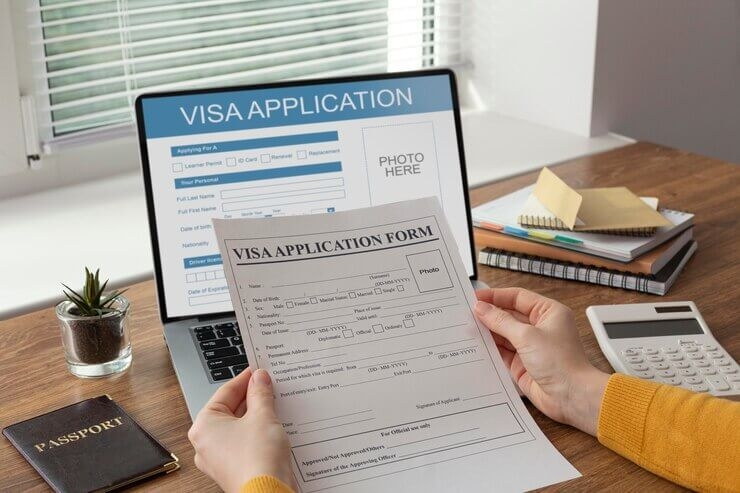
The first step towards a successful Vietnam eVisa application involves recognizing the typical missteps that many travelers encounter. Let's explore these further and learn how you can ensure that your application is processed without unnecessary delays.
Unqualified passport photo and portrait
One of the primary obstacles applicants face in obtaining their Vietnam eVisa stems from submitting unqualified passport photos. This seemingly minor detail can cause significant delays as applications get stuck in the system.
Travelers should ensure that both their passport photo and recent portrait meet specific requirements before submitting their application. The images must be clear and high quality, with a file size under 2MB and stored in either JPG or PNG format. Additionally, portraits should have been taken within the last six months against a plain background.
It's crucial to remember that cropping the image from your passport page is unacceptable. Instead, the full page of your passport must be displayed, including all ICAO lines. When uploading images, be meticulous about placing your portrait in the designated first field and the bio page of your passport in the second field. Failure to do so may extend the approval process due to incorrect uploads.
Providing incorrect personal information
Filling out personal details correctly on the Vietnam eVisa application form cannot be overstated. One of the most prevalent issues stems from mistakes made while entering names, dates of birth, passport numbers, and expiry dates.
Applicants often find themselves confused by the instructions provided, leading to discrepancies between the information entered and what's shown on the passport. For instance, it is vital that the spelling and spacing of your full name match precisely with the ICAO line on your passport. Additionally, remember to write your date of birth in the DD/MM/YYYY format – not mm/dd/yyyy, which is commonly used in various countries.
Ensuring these details are accurate could mean the difference between being granted your visa or facing rejection at check-in or border control. Double-checking every piece of information before finalizing your application can save you from potential headaches down the line.
Visa validity misunderstanding
Another frequent misconception among travelers relates to the validity of the Vietnam eVisa. Many individuals believe that the visa remains effective upon arrival in Vietnam, leading them to arrive close to the expiration date of their eVisa.
However, it's essential to understand that the eVisa becomes active from the arrival date specified in the application. You may not enter Vietnam before this date; therefore, planning your flight schedule accordingly is crucial. If you delay your arrival beyond the 30-day validity window, you risk losing the opportunity to enter the country altogether.
To avoid any unnecessary stress, develop a clear travel plan that accounts for your intended arrival date. Being well-prepared will ensure that you maximize your time exploring Vietnam.
Applying when you are in Vietnam
Many travelers mistakenly attempt to apply for their eVisa while already in Vietnam, looking for a way to extend their stay. Unfortunately, this approach is flawed, as the eVisa application process requires you to submit your request while outside the country.
Submitting your application from within Vietnam will likely result in a refusal. Should you wish to avoid an extended visa run, consider utilizing the Emergency Vietnam eVisa service, which can expedite the issuance process. This option allows you to return to Vietnam quickly while ensuring that your documentation is in order.
Skip applying visa for accompanying children
When it comes to family travel, parents often overlook certain key aspects regarding their children's visas. For those traveling with kids, it is vital to recognize whether your children possess their own passports. If they do, they must apply for separate eVisas instead of being included under the parent's visa application.
In some cases, parents erroneously add their children’s names to their visa application, only for the visa to be issued without proper documentation for the child. This oversight can result in denied boarding at the airport, leaving families distressed and scrambling for solutions.
To prevent complications, always ensure that each child holds a valid eVisa if they have their individual passports. Recognizing this requirement beforehand will help facilitate a seamless travel experience for the whole family.
Online status tracking
A common misconception with the Vietnam eVisa application process is that applicants will automatically receive email notifications regarding their application's outcome.
Due to the volume of applications received daily, the Vietnam Immigration Department does not send out confirmation emails for issued visas. Therefore, it falls upon the applicant to actively check the status of their application via the official website after three working days. By using your registration code, email, and date of birth, you can easily track the progress of your visa application.
Staying proactive about checking your eVisa status will allow you to address any issues that may arise promptly, ensuring you are prepared for your upcoming trip.
No double check information in e-visa
Even after putting in meticulous effort, mistakes can still occur during the eVisa application process. It’s advisable to conduct a thorough review of your eVisa once you've downloaded it. Should you notice any discrepancies, take immediate action to rectify the situation by applying for a new visa.
Being proactive in addressing any errors is preferable to facing potential denial of entry at the airport. Although it’s rare for mistakes to originate from the Vietnam Immigration Department, verifying the accuracy of your submitted information can provide peace of mind.
If you discover any inaccuracies on the eVisa, contact the Department promptly to enable efficient resolution before your travel date approaches.
How to avoid common mistakes with Vietnam eVisa
Now that we've covered the common mistakes that can hinder your Vietnam eVisa application, let’s explore strategies to mitigate these errors effectively.
Be careful when completing the eVisa form
Properly filling out the eVisa application is critical for avoiding complications. Below are some essential tips to keep in mind:
Double-check your personal information
Taking extra care while entering your personal details is paramount to ensuring your eVisa application is processed smoothly. Small mistakes, such as typos in your name or passport number, can lead to significant repercussions, including delays or outright rejection.
Before submitting, methodically review all entries—including your full name, date of birth, and passport details. A keen eye for detail can catch any errors that could otherwise jeopardize your travel plans.
Provide accurate travel details
Accurate travel information is equally important in your eVisa application. Make sure to include correct details regarding the purpose of your visit, your intended dates of entry and exit, and the port of arrival in Vietnam. Any discrepancies in these details may lead to delays or rejection during processing.
Clearly outlining your travel intentions demonstrates stability in your plans and reinforces credibility as a traveler.
Pay attention to passport validity
While preparing your eVisa application, ensure that your passport is valid for at least six months beyond your planned arrival in Vietnam. If your passport is nearing its expiration date, consider renewing it before applying for the eVisa.
Beyond complying with the validity requirement, a renewed passport may also facilitate smoother travel experiences to other destinations in the future.
Check photo requirements
Adhering closely to the established guidelines for passport photos significantly impacts your application’s success rate. Ensure your photos comply with specifications related to size, resolution, and background color. If your images do not meet these requirements, your application may be rejected outright.
Investing time to verify these details avoids unnecessary complications and streamlines your application process.
Review your application
Finally, before hitting the submit button on your eVisa application, take a few moments to review the entire document thoroughly. A comprehensive review can help identify and rectify any inconsistencies or errors. While this extra step may require additional time, it ultimately saves you from headaches later on.
Use a Vietnam-visa service
Leveraging a reputable Vietnam visa service can substantially ease the application process, minimizing the potential for errors. Here’s how choosing the right service will benefit you:
Have your details checked
When utilizing services like Vietnam-visa.com, professionals will meticulously check your application details, including your full name, date of birth, passport number, and nationality. Such verification ensures that all information aligns with your passport, reducing the likelihood of mistakes.
Get advice on visa validity and type
Navigating the complexities of visa types can be overwhelming. Consulting experts can help clarify which visa category best suits your travel needs. Understanding the distinct requirements associated with different visa types guarantees a tailored approach to your application.
Clarification for doubts or questions
With access to experienced professionals through a visa service, any doubts regarding the eVisa application process can be addressed promptly. Clear communication with knowledgeable staff provides reassurances throughout the application journey, allowing for a more relaxed experience overall.
Stay updated on application status
Using a visa service also allows you to stay informed about your eVisa application status, eliminating the need for manual checking. Such services often provide timely updates, ensuring that you remain in the loop about your visa’s progress and expected issuance timeline.
Immediate assistance for issues
Finally, should any complications arise during the application process, a reliable service can offer immediate support. Quick troubleshooting can prevent major disruptions just before your travels, providing peace of mind as your departure date approaches.
Important:
Due to the nature of continuous updates, the information in this article may change over time. To get the latest and most accurate information, please contact us for specific advice.
- Categories:
- Blog

STANLEY HO
Over the past 23 years in the travel service industry, the growth and success of TRANSOCEAN have stemmed not only from the dedication of our well-trained, enthusiastic, and customer-oriented staff, but also from the exceptional leadership of our Founder and CEO, Mr. STANLEY HO. With more than 20 years of experience in the travel and tourism sector, Mr. STANLEY HO possesses profound knowledge of the market, customer behavior, and modern travel trends. His strategic vision has guided the company toward sustainable growth while maintaining a strong commitment to service quality.