
Visa to Vietnam on Arrival: Everything You Need to Know
Latest update: May 20th, 2026
Table of Contents
Obtaining a Visa to Vietnam can seem daunting, but knowing the right information can make the process smooth and easy. The Visa on Arrival option is an increasingly popular choice for international travelers who wish to experience the rich culture, history, and beautiful landscapes that Vietnam has to offer.
Understanding Visa to Vietnam
When it comes to traveling to Vietnam, understanding the visa policies is crucial. Vietnam offers various types of visas to cater to different needs of travelers. Essentially, a Visa to Vietnam can be procured through two primary channels: local embassies or online platforms, with the Visa on Arrival being a convenient method for many.
Visa to Vietnam is available for tourists, business travelers, and expatriates, and the choices available vary based on the purpose of the visit and the duration of stay. While some travelers opt for consular visas issued by embassies prior to departure, others find more flexibility and ease in obtaining the Visa on Arrival after landing at major airports in Vietnam.
The Process of Obtaining Visa to Vietnam
The process of obtaining a Visa to Vietnam must be understood before travelling. This knowledge ensures that travelers arrive in Vietnam well-prepared and avoid any potential hiccups at the airport or during their travel.

For many travelers, applying for a Visa on Arrival is the preferred method. This typically involves filling out an online application form with essential details such as name, nationality, passport number, and the dates of travel. Once this form is submitted, a confirmation is generated that the traveler needs to print and present upon arrival in Vietnam.
Upon landing, travelers need to follow the signs to the Visa on Arrival counter, present their confirmation letter, along with photographs and the visa fee, to obtain their visa. This process not only simplifies travel logistics but also allows for more spontaneous travel plans, as it eliminates the need for scheduling trips to embassies for pre-approved visas.
Types of Visa to Vietnam
Vietnam offers a variety of visa types, and each serves different needs based on the traveler's purpose.
Tourist visas, usually valid for a limited period, are typically sought after by travelers planning leisure trips. They may be single-entry or multiple-entry, allowing flexibility depending on the desired itinerary for exploration within the country. On the other hand, business visas are tailored for individuals visiting Vietnam for work-related purposes.
There’s also an option for e-visas, which allow a stay of up to 30 days, making these suitable for those looking for quick trips. Understanding the different types of Visa to Vietnam can assist travelers in making informed decisions that best suit their needs and ensure a hassle-free experience when entering the country.
The Benefits of Visa on Arrival
Visa on Arrival can be seen as a game-changer for many travelers who find traditional visa processes cumbersome. This section looks at the primary benefits associated with this type of visa that can enhance the overall travel experience.
For starters, Visa on Arrival is remarkable for its convenience. Travelers can avoid the long waiting times typically associated with applying through embassies. Instead, the process can be initiated online, keeping travelers focused on planning their itineraries rather than stressing over paperwork. This digital aspect brings everything where it should be – right in the palm of your hand.
Additionally, this method offers flexibility. Travelers can choose to apply for their visa shortly before their trip, making it easier for spontaneous travel decisions. They can adjust their plans without worrying whether they had already booked an appointment at a consulate that may no longer suit their travel schedule.
Streamlined Travel Experiences
Visa on Arrival brings a promising ease when it comes to travel logistics. The ability to arrive at the airport, submit necessary documents, and receive a visa in a matter of minutes represents a significant shift in how travel is perceived. This streamlined process allows travelers to focus more on their journey, and less on the pre-departure grind.
Moreover, Visa on Arrival caters to many international airports in Vietnam, making it accessible to travelers regardless of their point of entry into the country. Those arriving in major cities such as Hanoi, Ho Chi Minh City, and Da Nang can expect a smooth transition from the airstrip to Vietnamese soil, which is a welcomed relief for many who have traveled a long distance.
The option of obtaining the visa only upon arrival not only saves time but also means fewer resources spent on planning every last detail before departure, giving travelers agency over their journey, driving spontaneity, and allowing for new experiences and discoveries as they unfold.
Safety and Security of Visa on Arrival
Another consideration for travelers is the safety and security aspect of Visa on Arrival. Given that many travelers may have concerns regarding the legitimacy of obtaining a visa this way, it is important to highlight that the option is entirely legal and sanctioned by the Vietnamese government.
Travelers can further strengthen their security by using reputable and officially recognized websites for their visa application. This way, they ensure that their information is processed correctly and securely, preventing potential administrative confusions or delays upon arrival.
The Visa on Arrival method also helps prevent unwanted expenses that can arise from being forced to change travel plans last minute. With the peace of mind that comes with knowing the visa process has been simplified, travelers can invest their energies in enjoying their new surroundings instead of fretting over logistical details.
Common Concerns Regarding Visa to Vietnam on Arrival
While the benefits of Visa to Vietnam through the on-arrival process are evident, various concerns may still linger in travelers' minds. This section aims to address common issues that may arise, ensuring visitors are equipped with adequate knowledge for a seamless arrival.
One of the biggest fears many people have is regarding the legitimacy of visa agencies. With a plethora of options available online, it can be overwhelming to discern which services are reputable. Travelers should conduct thorough research and look for reviews or recommendations before choosing an agency to submit their application.
Another common concern revolves around unexpected costs or hidden fees associated with the Visa on Arrival process. While generally straightforward, travelers should familiarize themselves with all expected fees, including any additional costs tied to processing at the airport. Always ensure you have sufficient cash available, as card payments may not be accepted.
Preparing Documentation for Visa on Arrival
Preparing the right documents is an essential step to ensure a smooth experience on arrival. In addition to the confirmation letter received after applying online, travelers should have at least two passport-sized photographs with them, ideally matching the specifications outlined by the Vietnamese government for visa purposes.
Another crucial document to prepare is a valid passport, which should be valid for at least six months from the date of entry into Vietnam. Having all these documents organized can lessen the chances of facing complications once you reach the visa counter.
Finally, utilizing online platforms can guide travelers on any necessary documentation changes or additional requirements introduced due to evolving visa policies. Staying informed about any updates or alterations ensures travelers remain compliant and prepared for their visa experience.
Understanding Visa Duration and Extensions
Understanding the duration of stay permitted with a Visa to Vietnam is also pivotal for travelers. While typical tourist visas allow stays of around 30 days, extensions can often be sought for those wishing to prolong their time in the beautiful country.
Travelers seeking an extension can typically do so by visiting local immigration offices in Vietnam or through designated agents who specialize in visa services. However, it is important to initiate the process well before the expiration of the visa to avoid overstaying and potential complications that come along with it.
By planning accordingly and having a solid understanding of how many days your visa permits, travelers can traverse Vietnam without the looming stress of immigration rules tainting the experience.
Traveling in Vietnam with Visa on Arrival
With the right preparation, traveling in Vietnam becomes an enriching and enjoyable experience. The Visa on Arrival opens up numerous opportunities to explore the’s diverse landscapes, cultures, and culinary treasures.
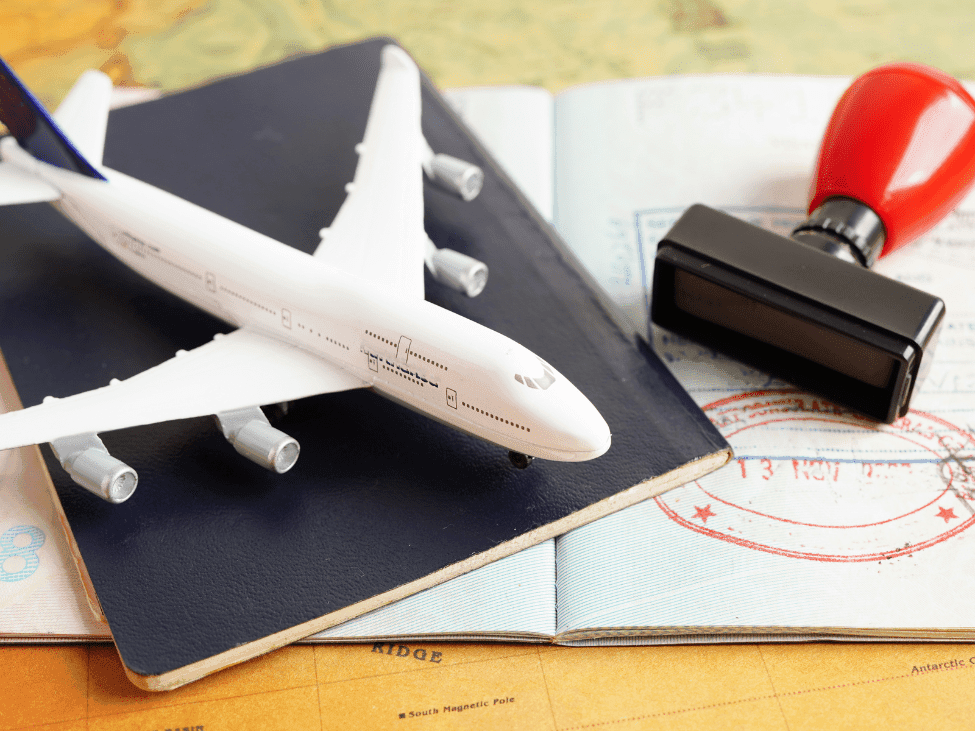
One inevitable aspect of traveling in a foreign country is having a solid plan. Based on the visa type and allowed duration, travelers can map out their journeys through bustling cities, serene countryside, and exotic beaches. Moreover, Vietnam's efficient domestic travel networks—ranging from buses to trains—facilitate seamless navigation between various destinations, letting travelers make the most of their voyages.
Vietnam is bountiful in cultural experiences, whether it’s indulging in local street food or exploring historical landmarks. The Visa to Vietnam enhances the exploration capabilities as travelers can richly immerse themselves both in traditional and contemporary Vietnamese lifestyle.
Embracing the Local Experience
Once you arrive, everything from the bustling street markets to the friendly locals encourages visitors to engage deeply with the city's narrative. Vietnam is known for its intricate culinary offerings, and those willing to dive into the local cuisine will find themselves rewarded with unforgettable interactions—from engaging with street vendors to participating in cooking classes.
Interacting with Vietnamese culture goes beyond just food. Attending local festivals or traditional events provides insight into the nation’s rich background. Whether travelers find themselves in Hanoi's vibrant atmosphere during the lunar new year or amongst the sounds and sights of Hoi An's Lantern Festival, these experiences form a centerpiece to understanding Vietnam's cultural identity.
By embracing local customs and understanding nuanced social norms, travelers taking advantage of Visa to Vietnam on Arrival can cultivate a richer travel experience and enhance their interactivity with the local populace.
The Best Practices for Visa on Arrival
To fully benefit from the Visa on Arrival, it’s essential that travelers adhere to best practices that foster a positive experience. Make it a priority to compile all necessary information in advance, ensuring that all documents are properly prepared and fees understood beforehand.
It’s also advisable to account for the time needed to process the visa upon arrival. While the system generally works efficiently, during peak travel seasons, longer wait times can occur. Planning for some buffer time allows a smoother transition into Vietnamese territory and minimizes stress levels.
Moreover, travelers should stay open to unexpected changes or developments. The nature of travel often poses surprises, and remaining adaptable will encourage a more enjoyable and memorable journey. Ultimately, the shared experience between visitors and locals speaks volumes about the beauty of Vietnam's hospitality, made even more enriching through the Visa to Vietnam process.
Conclusion
The Visa to Vietnam on Arrival provides a practical solution for travelers looking to explore this vibrant and culturally rich country without facing excessive bureaucratic barriers. Through understanding the necessity of documents, types of visas, associated fees, and the wonderful travel experiences that await, travelers can not only enrich their journey but also cultivate memorable interactions and connections with the enchanting world of Vietnam. This understanding ensures that adventurers can confidently navigate the entry process and delve into the beauty that Vietnam has to offer.
- Categories:
- Blog

STANLEY HO
Over the past 23 years in the travel service industry, the growth and success of TRANSOCEAN have stemmed not only from the dedication of our well-trained, enthusiastic, and customer-oriented staff, but also from the exceptional leadership of our Founder and CEO, Mr. STANLEY HO. With more than 20 years of experience in the travel and tourism sector, Mr. STANLEY HO possesses profound knowledge of the market, customer behavior, and modern travel trends. His strategic vision has guided the company toward sustainable growth while maintaining a strong commitment to service quality.